AI Ran a Sanity Check on World Leaders: Peace Habits Checklist (US, Israel, Iran)
A witty, uncomfortable-truth checklist for de-escalation—quick human habits, country-specific reminders, shared blind spots, and optional steps toward channels over catastrophe. Satire with a peace bias, not policy advice.

Get this checklist when we open
This guide pairs with a ready-made AI Sanity Check: Peace Habits for Leaders (US, Israel, Iran) checklist. Join the waitlist and we will let you in first. Satirical-but-serious buckets for quick wins, US, Israel, Iran, shared human failures, and optional species-level extras—atomic tasks with punchy notes.
What's in This Guide
From Quick Human Habits to Optional Species-Level Repair
This guide mirrors the planner buckets: start with fast “kitchen table” habits that reduce performative rage, then move through three national lenses (not verdicts— reminders), a shared chapter on human blind spots, and optional steps that favor channels over catastrophe.
Regret-Proof the Room
Small pauses and honest sentences that cost nothing and save everything.
Megaphone Country
Check power, pride, and whether you’re solving or branding the crisis.
Safety With a Horizon
Keep deterrence human-sized; refuse to tuck civilian pain in a footnote.
Voice Without Locking the Exit
Dignity doesn’t require closing every off-ramp—options outlive slogans.
Same Fears, Different Flags
Name the shared bugs—certainty addiction, strength theater, origin-story loops.
Extra Credit
Boring infrastructure for peace—hotlines, quiet days, shared needs.
AI Ran a Sanity Check on World Leaders: Peace Habits Checklist
This is the article-shaped cousin of a checklist: calm, a little sarcastic, and uncomfortably honest. Imagine a narrator who has read too many press conferences and not enough bedtime stories—someone who keeps asking, “But what happens to the people who didn’t choose this?”
Disclaimer: This is satirical commentary and reflection, not policy, legal, or military advice. It’s for humans who want fewer graves and more off-ramps—not for scoring who is “good” on the internet.
Companions: Rest of the world — capitals outside the spotlight · General public — feeds, sides, and hate online.
Before Anyone Says Something They’ll Regret
Big wars start as small habits: certainty, audience capture, and the rush to sound tough before you sound wise. These “quick wins” are the kitchen-table version of de-escalation—cheap to try, expensive to skip.
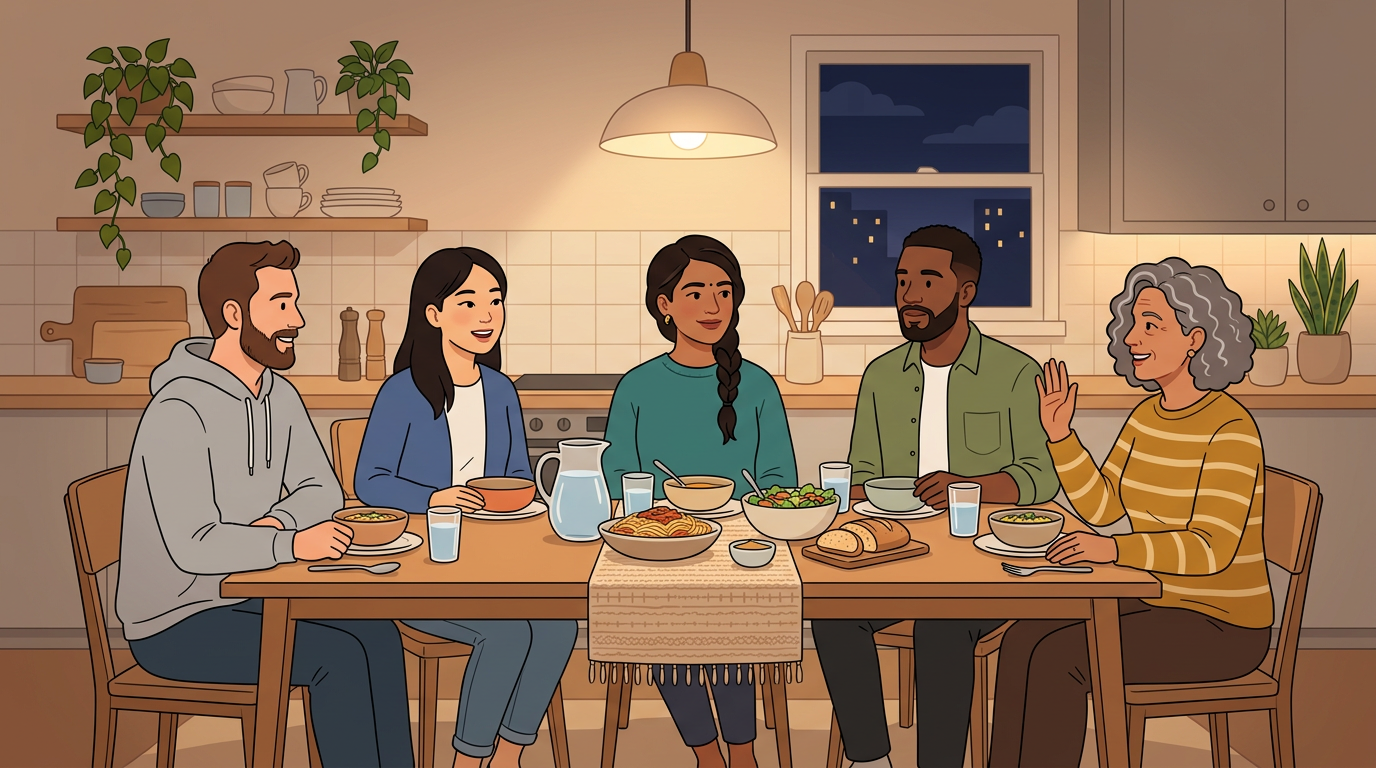
- Count to ten before you name an enemy out loud — Most diplomatic regrets are sold in the first angry sentence.
- Say the quiet part: “Civilians lose either way.” — If that feels unsayable in your room, you’re already in trouble.
- Trade one talking point for one honest question — Performative clarity is cheap; listening is how wars shrink.
- Picture your own child in the crowd you’re discussing — Statistics defend abstractions; faces break them.
United States — You Built the Megaphone
Influence feels like clarity from the inside and like weather from the outside. The uncomfortable truth is that the biggest voice in the room still has to ask whether it’s solving the crisis—or just refreshing a familiar story called “resolve.”
- Ask: are we solving this or refreshing the brand of “resolve”? — Power loves a photo op; peace loves a boring phone call.
- Separate defense from pride with a budget line — Ego doesn’t carry a flag—taxpayers and troops do.
- Run second-order math: influence ripples — Every lever moves neighbors, markets, and mothers who didn’t vote for this.
- Let smaller voices be voices, not background noise — The world isn’t your focus group; it’s where people live.
Israel — Safety Is People Breathing in Ten Years
Security is real; so is the trap of turning fear into a permanent standing ovation. The eye-opening bit is simple: safety that requires someone else’s humanity to disappear isn’t safety—it’s a loan that comes due in generations.
- Name security without deleting someone else’s humanity — When neighbors become categories, everyone’s children pay interest.
- Notice when deterrence becomes a habit that needs applause — Fear can keep you alive—and keep you from stopping while you still can.
- Treat civilian pain like a red line, not an asterisk — Footnotes don’t resurrect anyone.
- Ask what “winning” means if the neighborhood is ash — A fortress is still a home—until nobody wants to live near it.
Iran — Dignity Doesn’t Need a Louder Threat
Dignity and survival are not the same as sounding unbeatable on camera. The truth that stings: the most dramatic sentence is often the cheapest—and the most expensive for ordinary people who pay in isolation, risk, and lost tomorrows.
- Separate sovereignty from the urge to sound invincible — Masks impress domestic crowds; gravity impresses history.
- Trade dramatic lines for predictable channels — Theatrics fill screens; hotlines empty morgues.
- Pressure-test rhetoric: does this line create options or close them? — Slogans age fast; neighbors remember tone longer than speeches.
- Remember isolation is a strategy with a bill — Proud loneliness still needs food, medicine, and friends someday.
All Three — Same Fears, Different Flags
Here’s the shared bug report: certainty sells, pauses look weak on TV, and “they started it” feels like thinking while it functions like a trapdoor. The humor is that every side thinks it’s the exception—same fear, different flag emoji.
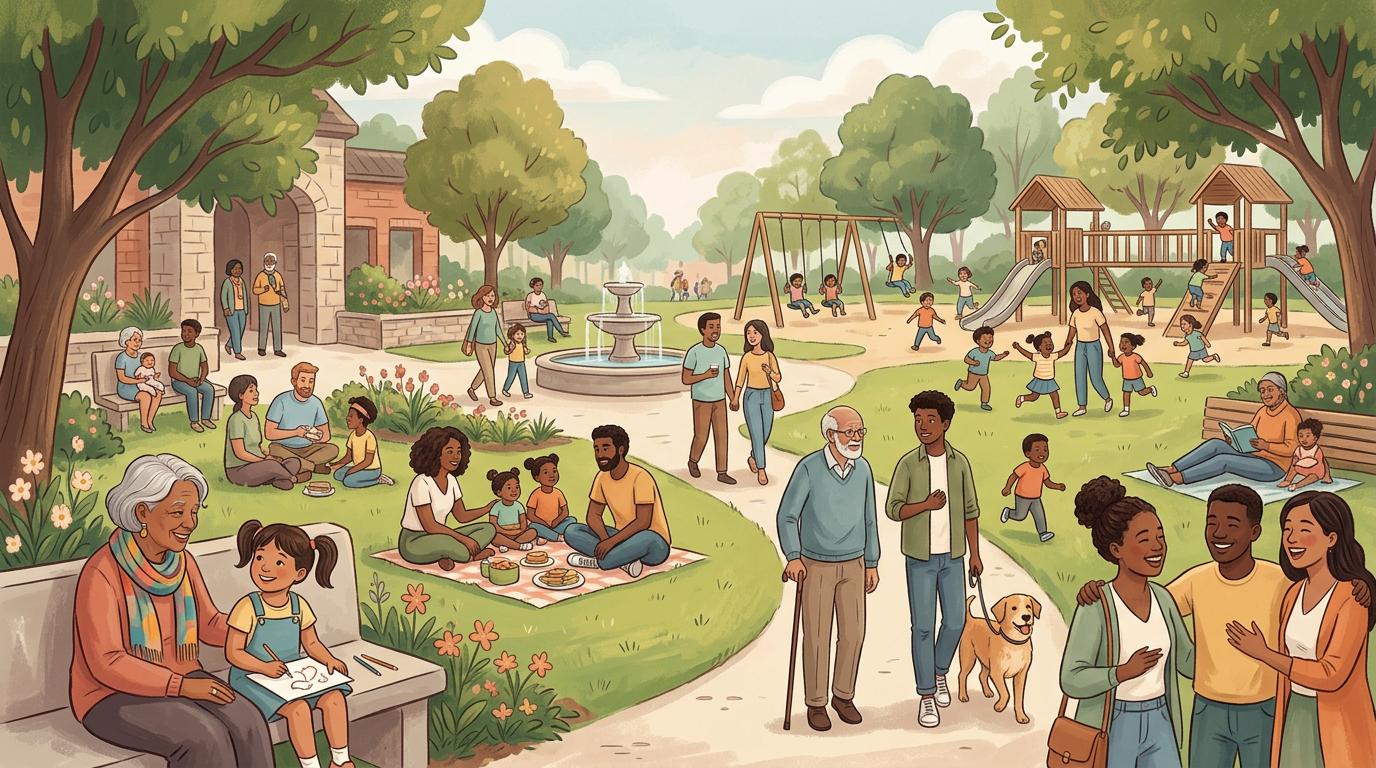
- Admit every side’s PR team is selling certainty — Certainty is comfortable on TV; doubt is where peace begins.
- Notice the rush to look strong versus the courage to pause — A pause isn’t weakness—it’s oxygen.
- Swap “they started it” for “what stops it next Wednesday?” — Origin stories don’t fix broken pipes.
- Treat escalation like a loan shark — The first payment feels cheap; tomorrow always wants more.
Extra Credit for the Species (Optional)
If you’ve made it here without rage-scrolling, congratulations—you’re statistically unusual. Optional steps are the boring stuff that history quietly likes: transparency, mediators, quiet days, and shared needs that outlast slogans.

- Publish a civilian-impact note beside any security update — Transparency is the antidote to treating people as scenery.
- Stand up a trusted third-party back channel—even if you dislike them — Pride is expensive; mediators are boring—and useful.
- Try one silent day: no threats, no taunts, no flex posts — Silence can be strategy, not surrender.
- Fund one piece of shared infrastructure both publics actually need — Shared plumbing beats shared grievances.
Practical Tips for Using This Checklist
- Read your own “bucket” first — It’s easier to see splinters abroad; start at home.
- One item per conversation — Don’t dump the whole list; choose one line and sit with it.
- Replace debate with prediction — Ask, “If we keep doing this for six months, who eats the cost?”
- Protect civilians linguistically — If your sentence can’t name a human consequence, rewrite it.
Common Mistakes (Funny Because They’re Everywhere)
- Mistaking volume for truth — Louder isn’t smarter; it’s just easier to film.
- Treating war like a season finale — Real life doesn’t wrap in forty minutes; grief doesn’t take credits.
- Outsourcing empathy — “Someone else will care about civilians” is how civilians become parentheses.
- Winning the argument while losing the week — The scoreboard you see isn’t the one history keeps.
Frequently Asked Questions
Is this political advice or a real policy plan?
Neither. It’s satirical commentary and reflection prompts. It isn’t legal, military, or diplomatic instruction.
Why these three lenses?
They reflect where global attention—and risk—often concentrates. The items target narratives and decision habits, not whole populations.
How should ordinary people use this?
As a mirror for conversations and expectations: pause first, center civilians, ask one honest question, and refuse to treat escalation as entertainment.
What if the humor feels uncomfortable?
That’s often the point when the joke is really a fact wearing a disguise—ask what you’re avoiding when you laugh (or when you can’t).
Closing — Same Species, Same Oxygen
If there’s one truth worth keeping when the headlines spin, it’s almost boring: people are not props, pauses are not surrender, and the cheapest rhetoric always bills someone else. Run your own sanity check often—and leave room for tomorrow’s kids to inherit something besides a grudge.
Why This “Sanity Check” Actually Lands
Laugh, Then Nod
Each line is meant to be funny because it’s a little too true—not empty snark.
Atomic, Checkable Moves
Titles are actions; notes carry the uncomfortable insight in one breath.
Civilians Stay Center
The through-line is human cost, listening, and off-ramps—not scoring points.
Shared Blind Spots Named
A whole bucket admits what every side’s narrative tends to hide.
Save your spot for this checklist
The AI Sanity Check: Peace Habits for Leaders (US, Israel, Iran) template will be ready when Checkolo Planner opens. Join the waitlist — we will honour early interest. Free during beta · No sign-up hassle · Ready in 2 minutes
Private preview · No spam · One email when we open
Frequently Asked Questions
Is this political advice or a real policy plan?
Neither. It’s satirical commentary and reflection prompts for peace-minded habits. It isn’t legal, military, or diplomatic instruction—use it to think, not to replace professionals or facts on the ground.
Why single out the United States, Israel, and Iran?
The checklist uses three lenses where global attention—and risk—often concentrates. The items address decision-making patterns and narratives, not entire populations, and the “shared” bucket applies to everyone watching the same horror on a screen.
How should ordinary people use this planner?
As a mirror for conversations, media diet, and pressure on leaders—start with quick wins (pause, civilians first, one real question), then read your own side’s bucket with the same skepticism you bring to the others.
What if the humor feels uncomfortable?
That’s intentional when the punchline is a truth we usually rush past—like treating war as messaging, or civilians as parentheses. If it stings, ask what it’s pointing at.