The Complete Easter Egg Hunt Planning Guide: Fun, Fair, and Ready for Hunt Day
A motivational, engaging checklist to plan an Easter egg hunt for families and schools. From date and location to eggs, rules, and hunt day — so everyone has fun and it stays fair.

What's in This Guide
Easter Egg Hunt — From Plan to Hunt Day
This checklist helps families and schools plan an Easter egg hunt that's fun, fair, and safe. Quick wins first, then eggs and fillings, rules, hiding, and hunt day — with optional extras for an even bigger celebration.
Get Started (Quick Wins)
Lock in the basics so the rest is easy.
Eggs & Fillings
Stock up so every child finds plenty.
Rules & Fair Play
Keep it fair and safe for all ages.
Hide & Set Up
Set the stage for a smooth hunt.
Hunt Day (Go Time)
Run the hunt and enjoy the moment.
Level Up
Add more fun when you have time.
The Complete Easter Egg Hunt Planning Guide: Fun, Fair, and Ready for Hunt Day
Planning an Easter egg hunt for your family or school doesn't have to be stressful. This guide walks you from date and location to eggs, rules, and hunt day so the event is engaging, fair, and safe for everyone.
You'll move through clear phases that make planning simple and the hunt memorable.
Plan by Progress, Not by Panic
A great egg hunt needs a bit of structure — but not a mountain of work. This checklist is built for momentum:
- Quick wins first — Date, location, headcount, and backup plan in under 30 minutes.
- Eggs and fillings — Stock up so every child finds plenty; add golden eggs for extra fun.
- Rules and fair play — Simple rules and zones so everyone has a good time.
- Hide and set up — Boundaries, hiding, and a quick safety check.
- Hunt day — Explain rules, start the hunt, celebrate golden eggs, take photos.
- Optional extras — Crafts, clues, or more guests when you want to level up.
Each step builds confidence and keeps the focus on fun.
Inside the Checklist: One Action at a Time
⚡ Get Started (Quick Wins – Under 30 Min)
- Pick your hunt date and time — Easter weekend or a nearby day that works for families or school.
- Choose location (backyard, park, or indoor space) — Clear boundaries, safe, and enough hiding spots for the group size.
- Count how many kids will hunt (for eggs per child) — Aim for at least 10 eggs per child so everyone finds plenty.
- Set a rain or backup plan — Indoor option or rain date so the hunt isn't cancelled.
💡 Pro Tip
Tip: Once these four are done, you have a solid foundation. The rest is filling eggs and playing fair.
🥚 Eggs & Fillings (1–2 Weeks Before)
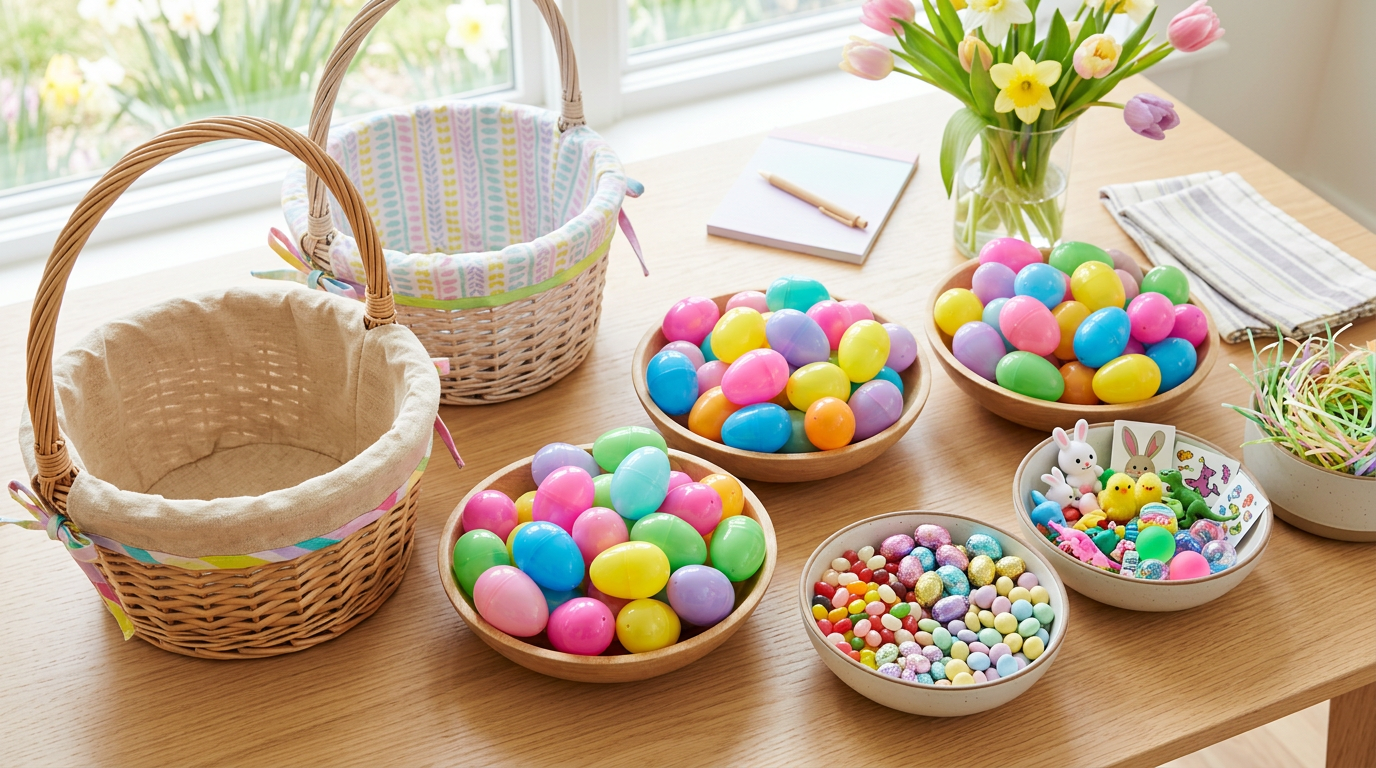
- Buy plastic eggs (at least 10 per child) — Plastic, wooden, or eco-friendly; avoid real eggs for hiding.
- Choose fillings (candy plus non-food options) — Stickers, mini toys, or small notes for variety and allergies.
- Add 1–2 golden or special eggs for prizes — Extra treat or small toy so finding them feels special.
- Decide age zones or color-coded eggs if mixed ages — Little ones get easy spots and big eggs; older kids get trickier hides.
⚖️ Rules & Fair Play
- Write 3 simple rules (e.g. same number per child, stay in zone) — Keeps it fair and fun; no running near hazards.
- Assign colors or zones if needed for fairness — Each child finds their color or stays in their area so everyone wins.
- Share rules with kids and parents before hunt day — Quick reminder at the start so everyone knows what to do.
📍 Hide & Set Up (Day Before or Morning Of)
- Mark hunt boundaries (tape, cones, or natural edges) — So kids know where it's safe to search.
- Hide eggs (easier for little ones, trickier for older kids) — Place in visible-but-fun spots for toddlers; harder spots for big kids.
- Put golden or special eggs in memorable spots — One per age group or one for the whole hunt.
- Do a quick safety check (no hazards in hunt zone) — Away from roads, water, or trip hazards.
🎉 Hunt Day (Go Time)
- Gather everyone and explain the rules in 30 seconds — Boundaries, fairness rule, and when to stop.
- Start the hunt with a clear signal or countdown — So everyone begins together and it feels exciting.
- Give a small prize or treat for golden egg finders — Makes the special eggs feel rewarding.
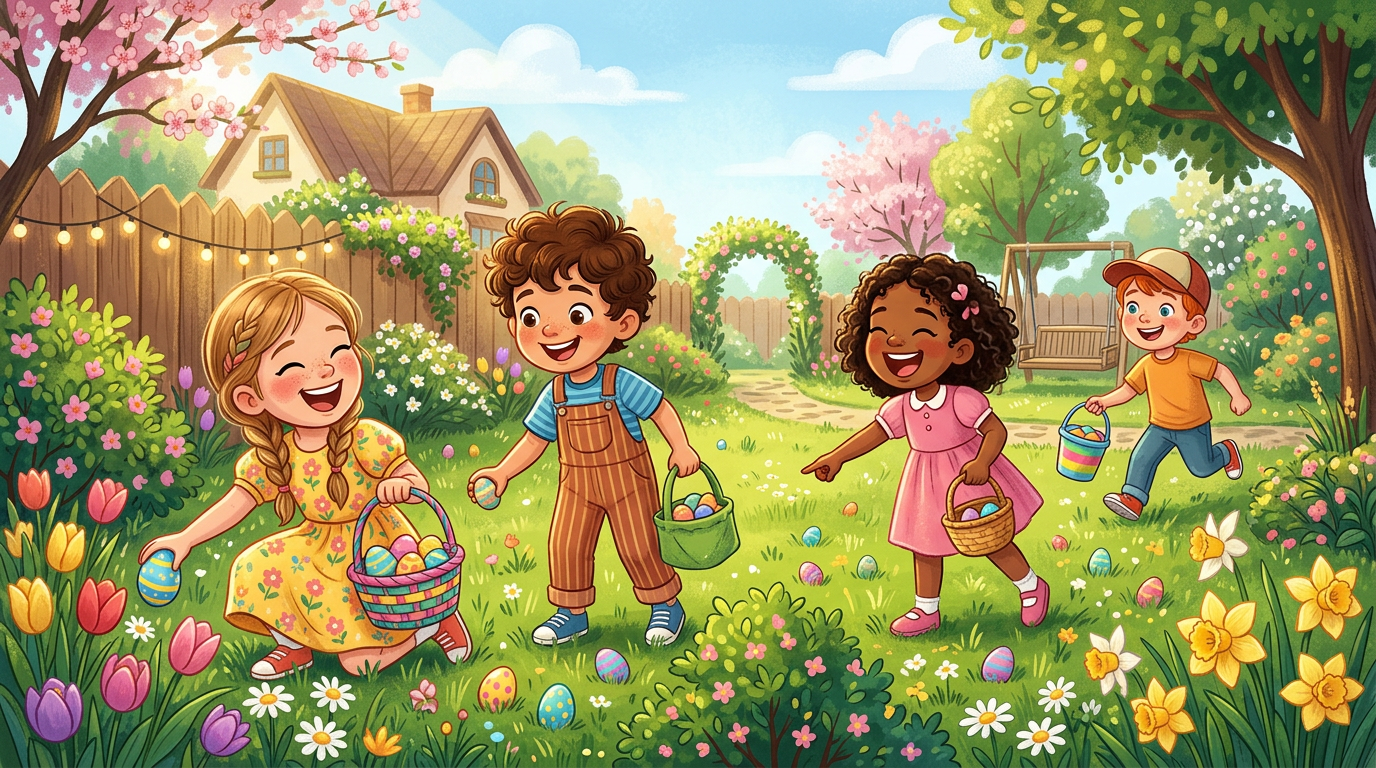
- Take photos and enjoy the moment — Capture the fun for families and schools.
✨ Level Up (Optional Extras)
- Add one extra activity (craft table, snack station, bunny hop) — Keeps the party going after the hunt.
- Create simple clue cards for older kids — Riddles or picture clues that lead to eggs.
- Invite a few more families or classmates — More hunters, more fun — just add more eggs.

Why This Checklist Works for Families and Schools
- Quick to start — Four steps in under 30 minutes so you're not overwhelmed.
- Fair for all ages — Color zones or age areas so everyone finds eggs and has fun.
- Safe and clear — Boundaries and a safety check so adults can relax.
- Flexible — Backyard, park, school hall, or community space; same structure works.
Practical Tips
- Allergies — Include non-food fillings and check with parents for school or group hunts.
- Golden eggs — One or two per age group is enough; keep prizes small and fun.
- Timing — 15–20 minutes of hunting is plenty for most kids; then snacks or a craft.
- Photos — Get a group shot before the hunt and a few action shots during.
Mistakes to Avoid
- Too few eggs per child (aim for at least 10).
- No fairness rule (colors or zones prevent one child grabbing everything).
- Forgetting a rain or indoor backup.
- Hiding eggs near roads, water, or trip hazards.
- Skipping the quick rules reminder at the start.
Frequently Asked Questions
How many eggs do I need per child?
Aim for at least 10 eggs per child so everyone finds plenty. For mixed ages, use color-coded eggs or zones so little ones and big kids each have enough.
What should I put inside the eggs?
Mix candy with non-food options: stickers, mini toys, temporary tattoos, or small notes. Check for allergies and include a few golden eggs with special prizes for extra excitement.
How do I keep the hunt fair for different ages?
Assign each child a color to find, or use zones (e.g. one area for under-5s with easy hides, another for older kids with trickier spots). Share the rules before the hunt so everyone knows what to do.
What if it rains on hunt day?
Have a backup plan from the start: an indoor space (hall, gym, or home), or a rain date. Mark it in your Get Started step so you're not scrambling at the last minute.
Can schools use this checklist?
Yes. Use it for a class or whole-school Easter event. Adjust headcount for the number of kids, plan age-appropriate zones, and share rules with teachers and helpers so the hunt runs smoothly.
You're Ready for Hunt Day
With date, location, eggs, and rules in place, you're set for a fun and fair Easter egg hunt. Use this checklist in order, tick off each step, and add optional extras when you have time. Families and schools alike can make the day special — and memorable — for every child.
Why This Easter Egg Hunt Checklist Works
Quick Wins First
Date, location, headcount, and backup plan in under 30 minutes.
Fair and Fun for Everyone
Rules and color zones so every child finds eggs and has a great time.
Safe and Simple
Clear boundaries and a quick safety check before the hunt.
Perfect for Families and Schools
Works for backyard hunts, school events, or community gatherings.
Frequently Asked Questions
How many eggs do I need per child?
Aim for at least 10 eggs per child so everyone finds plenty. For mixed ages, use color-coded eggs or zones so little ones and big kids each have enough.
What should I put inside the eggs?
Mix candy with non-food options: stickers, mini toys, temporary tattoos, or small notes. Check for allergies and include a few golden eggs with special prizes for extra excitement.
How do I keep the hunt fair for different ages?
Assign each child a color to find, or use zones (e.g. one area for under-5s with easy hides, another for older kids with trickier spots). Share the rules before the hunt so everyone knows what to do.
What if it rains on hunt day?
Have a backup plan from the start: an indoor space (hall, gym, or home), or a rain date. Mark it in your Get Started step so you're not scrambling at the last minute.
Can schools use this checklist?
Yes. Use it for a class or whole-school Easter event. Adjust headcount for the number of kids, plan age-appropriate zones, and share rules with teachers and helpers so the hunt runs smoothly.